Quick answer
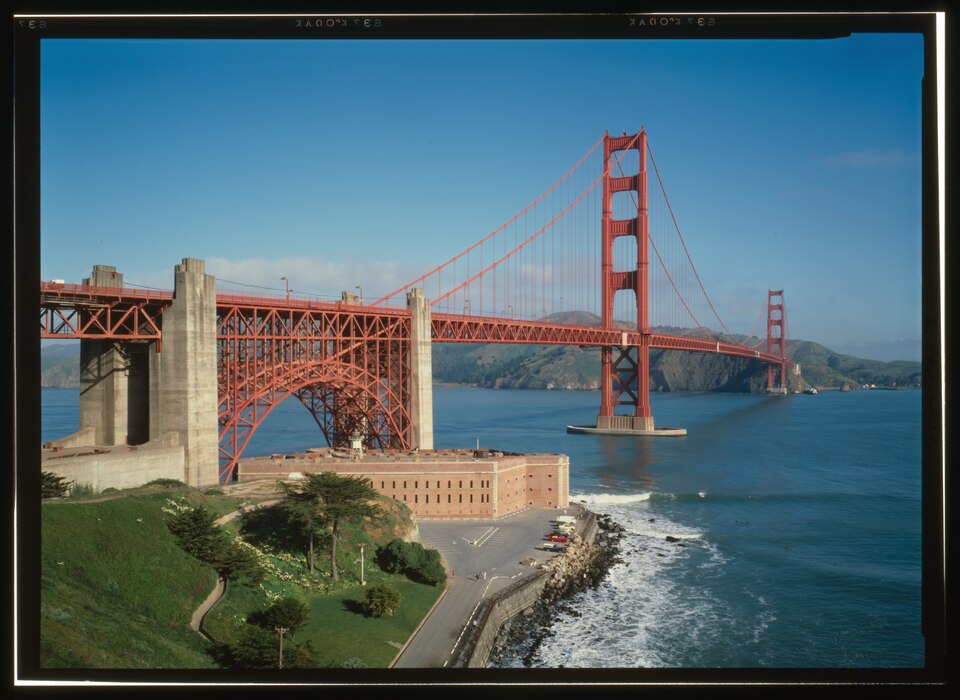
The Fort Point Civil War defenses were built between 1853 and 1861 at the narrowest part of the Golden Gate, from about seven million bricks and designed for 126 cannons. Not one was ever fired at an enemy. Rifled artillery made masonry forts obsolete within a few years. In the 1930s Joseph Strauss arched the Golden Gate Bridge over the fort rather than demolish it.
Full transcript
The Fort That Never Fired
Fort Point was built between 1853 and 1861, in a hurry, because the U.S. Army believed the Confederacy might sail into San Francisco Bay. A crew of 200, many of them miners who had run out of gold, spent eight years laying brick. What they built was designed to mount 126 cannon, firing through iron-lined openings cut in walls five feet thick, at the narrowest point of the Golden Gate. The cannons were installed. The soldiers trained. The Confederates never came. By the end of the Civil War the fort was already obsolete. Rifled cannons, developed during the war, could punch through brick walls from miles away. Fort Point was garrisoned on and off through World War Two, when soldiers watched for Japanese submarines from the same walls their predecessors had guarded. They saw none.
The Engineer Who Saved It
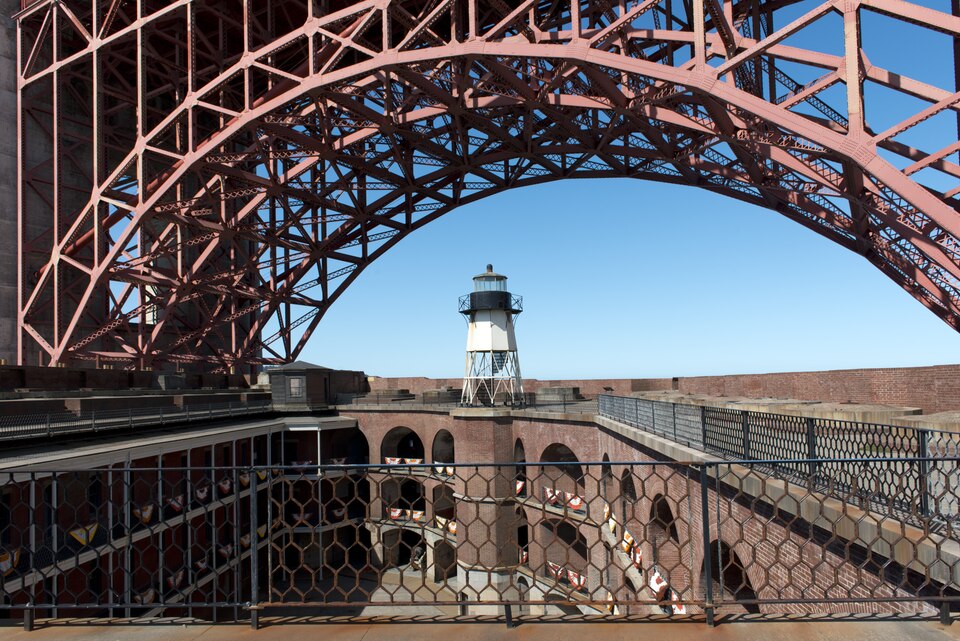
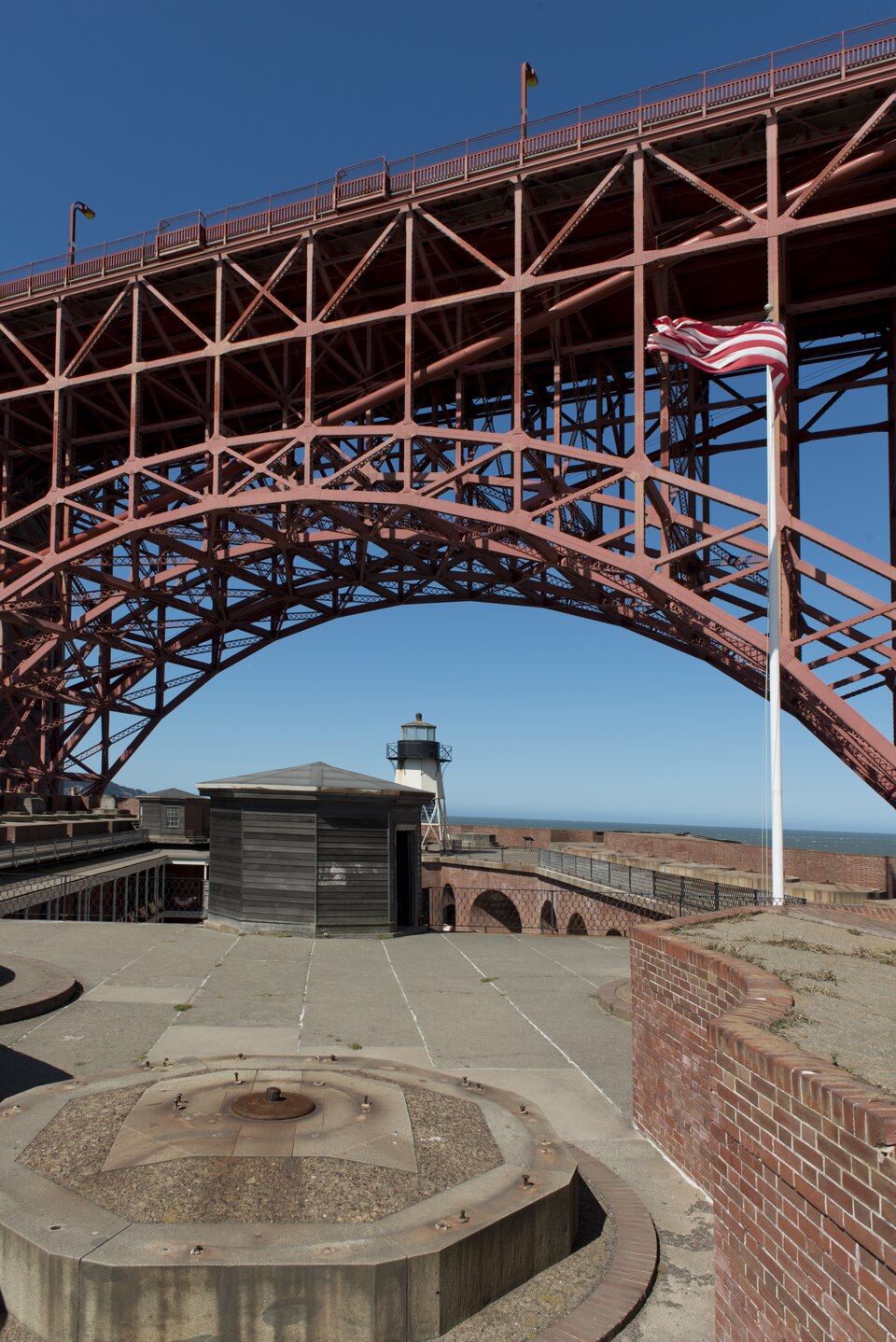
In the 1930s, the Golden Gate Bridge was planned to go straight through Fort Point. The bridge needed an anchorage on the south side of the strait, and the fort stood exactly where the engineers wanted to put it. Joseph Strauss, the chief engineer of the bridge, changed the design. He had the bridge arch over the fort instead of demolishing it. If you stand in the central courtyard and look straight up, the underside of the bridge fills the sky. The combination — nineteenth century masonry under twentieth century steel — is the most honest monument to San Francisco you will find.
What to Do
Go inside. Every tier is open. Walk the staircases, look through the cannon ports at the headlands across the water, stand in the courtyard and listen to the Golden Gate Bridge hum above you. Stand under the steel arch and look up — the fort is free, open every day, and almost empty most weekdays.

,_Fort_Point_--_2022_--_3039.jpg)


_(2).jpg)
_(2).jpg)




_(2).jpg)