
Quick answer
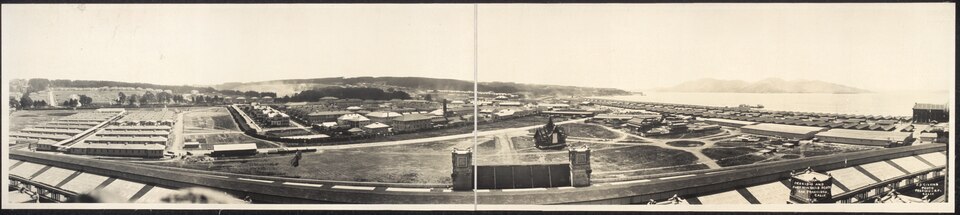
The Presidio military post at the Golden Gate was founded by Spain in 1776, became a Mexican outpost in 1822, and passed to the United States Army in 1846, during the Mexican-American War. The Army left in 1994 and the 1,491-acre site joined Golden Gate National Recreation Area. Its 262-acre forest of eucalyptus, Monterey pine and Monterey cypress was planted by soldiers starting in 1883.
Full transcript
Two Hundred Years of Walls
The Presidio was a military post for 219 years — Spanish, then Mexican, then American — and it stopped being one on the first of October, 1994. The Spanish founded it in 1776, the same year the Declaration of Independence was signed on the other side of the continent, and it was the northernmost outpost of their empire. Juan Bautista de Anza brought 193 people here overland from what is now Tubac, Arizona to do it. One footnote that says more than the dates: between 1890 and 1914 soldiers from this post were sent to patrol Yosemite and Sequoia, which made them the country's first park rangers.
The Forest
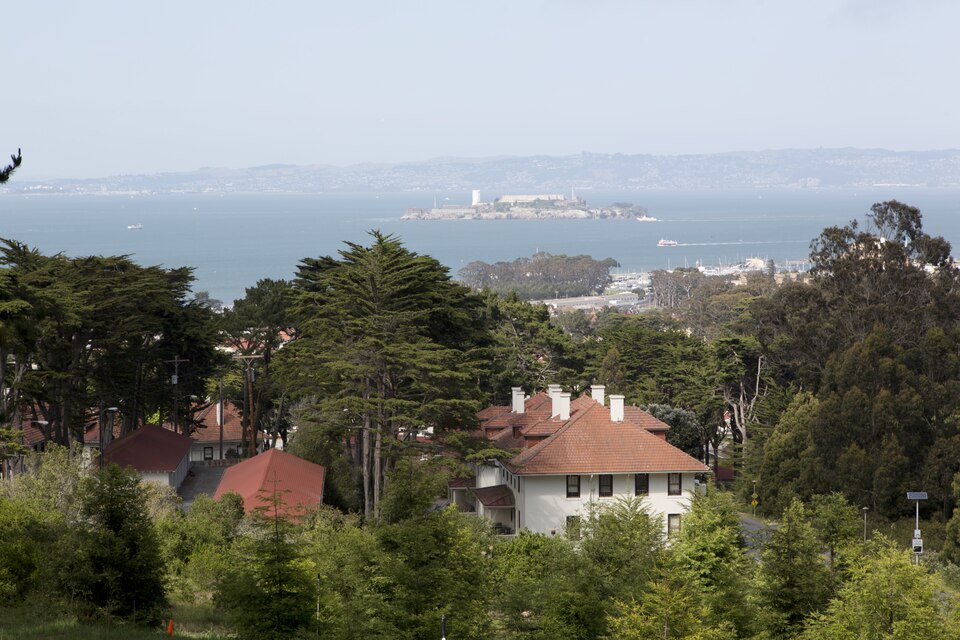
What looks like an ancient forest is not. The Army planted the eucalyptus and Monterey cypress in the 1880s as windbreaks. The trees thrived in the coastal fog. A hundred and forty years later they form one of the largest urban forests in the country, with a resident population of coyotes. The main parade ground — a wide lawn with a view straight through the Golden Gate — is where soldiers drilled for World War One. Today it is where families picnic and wedding parties take photographs. The brick barracks house startups and the Walt Disney Family Museum.
The View
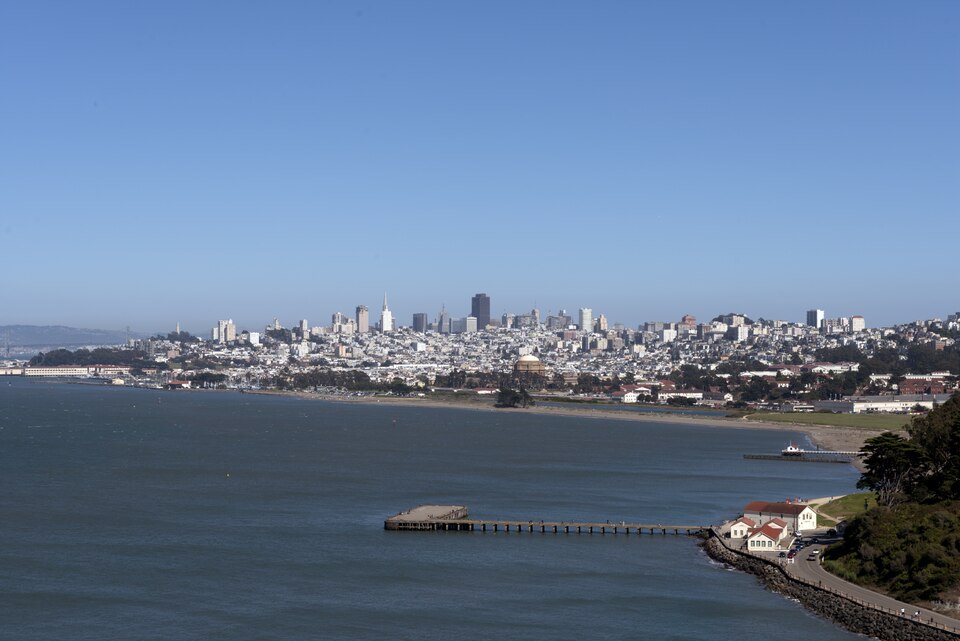
Walk to the overlook behind the Officers' Club. You will see the Golden Gate Bridge from a perspective that most tourists miss: side-on, with the Pacific behind it and the city at your back. On a clear afternoon the light turns the bridge the exact orange it was designed to be. Stay until sunset if you can. Wait for the fog hour, when the bridge disappears one tower at a time.


,_Battery_Boutelle_--_2022_--_3042.jpg)

_(2).jpg)

_(2).jpg)


.jpg)


.jpg)